


How Profitable is a Self Storage Facility?
The revenue and yield of a self-storage facility depend on three fundamental variables: Net Lettable Area (NLA), mature occupancy rates, and rental price per square metre. Here is an honest, operational analysis without brochure exaggerations.

The Three Variables Behind Top-Line Revenue
Top-line revenue in self storage is calculated simply: Net Lettable Area (m²) multiplied by occupancy rate (%) multiplied by average rental rate (€/m²):
- NLA (Net Lettable Area): The square metres that generate revenue. An engineered layout achieves an NLA efficiency of 70–80% of gross floor space, whereas an unplanned layout drops significantly lower.
- Occupancy Rate: The percentage of occupied rentable space. A mature facility typically runs at 85–92% stabilised occupancy; initial occupancy is built progressively.
- Average Price per m²: Driven by local competition, catchment density, and unit sizing mix. Smaller locker units command higher yields per m² than large business units.
Operating Expenses (OpEx) That Impact Net Margins
While self-storage centres enjoy leaner operational costs than traditional real estate assets, several recurring cost centres must be budgeted accurately:
- Building utilities, LED lighting, and commercial insurance.
- Cloud ERP SaaS licences, gate hardware connectivity, and CCTV maintenance.
- Local search engine marketing (SEO/PPC) for ongoing tenant acquisition.
- On-site staffing or facilities management, where full automation is not deployed.
For initial investment requirements, consult our detailed guide on costs to open a self storage facility in Italy.
Case In Point: Affittobox.bz, 500 Operational Units
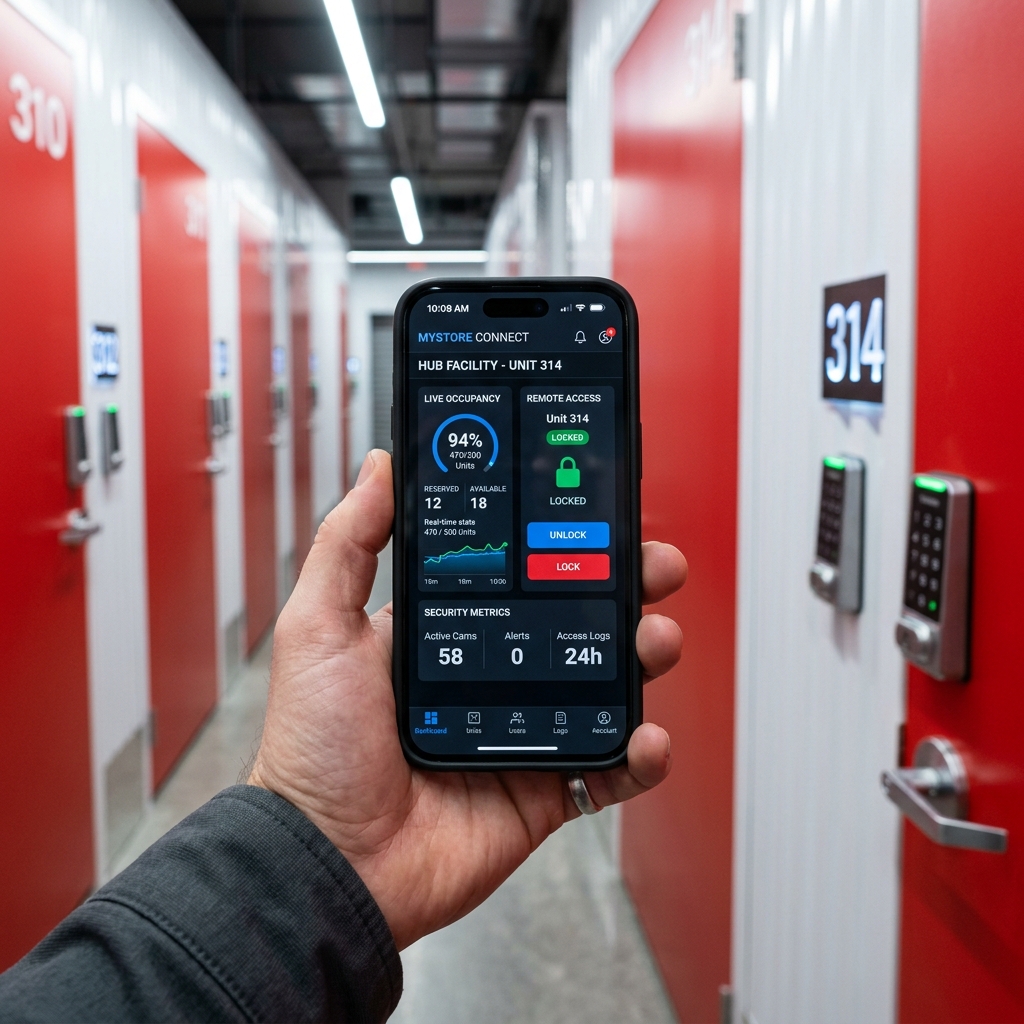
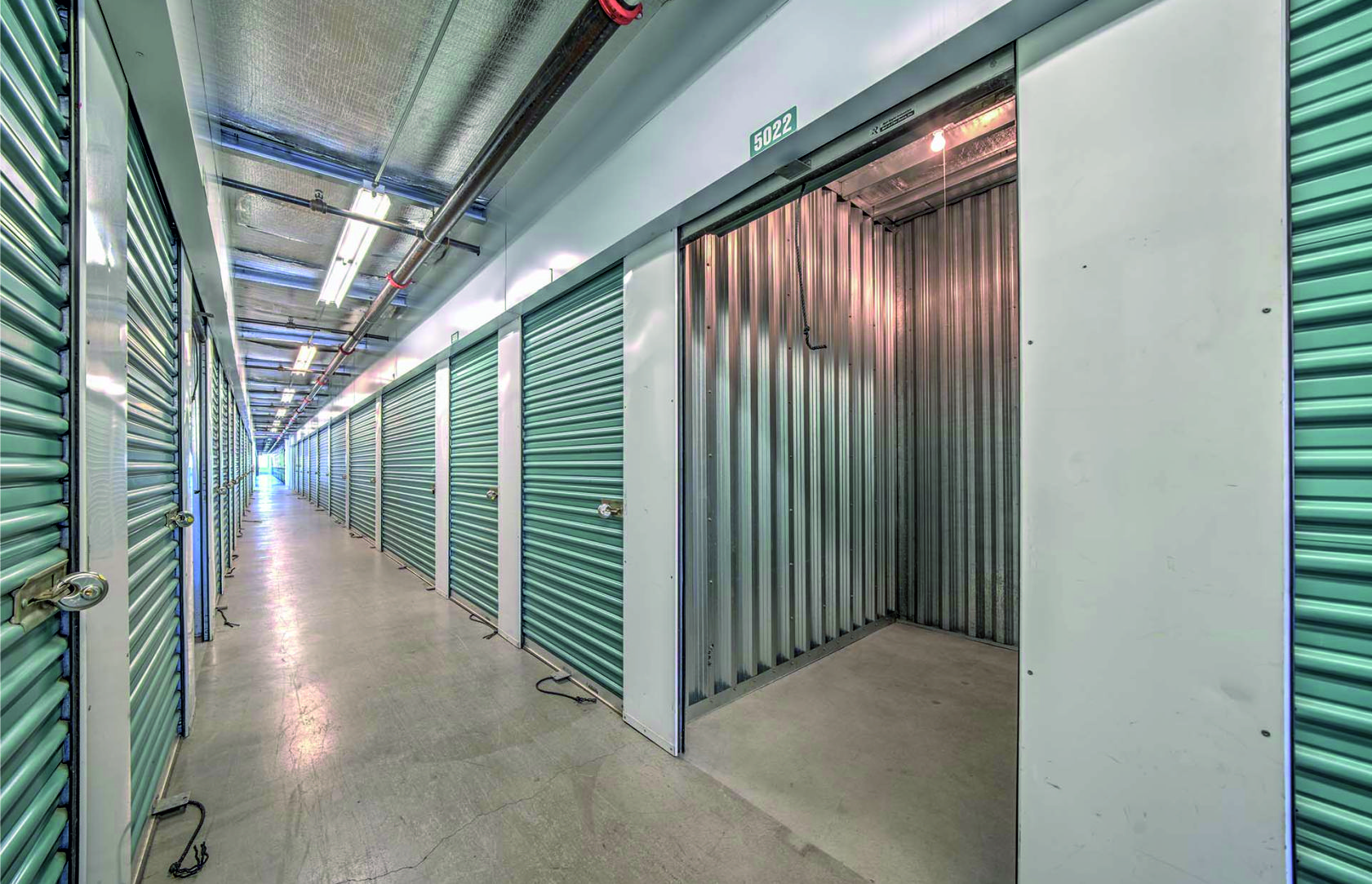
We do not rely on theoretical models. Affittobox.bz is our flagship facility in Bolzano: 500 operational units built from a converted industrial property, operating with smart digital access and cloud automation.
This serves as our daily testing ground for genuine data: operational running costs, occupancy ramp-up speed, and unit mix demand curves. Explore the entire project in our Affittobox Bolzano case study.
How to Maximise Facility Yield
Two self-storage centres in the same metropolitan area can deliver wildly different returns. The levers that create real alpha are established before opening:
- Layout & Unit Mix: Maximised NLA and unit sizes aligned with local market demand represent the most powerful, zero-cost lever for IRR.
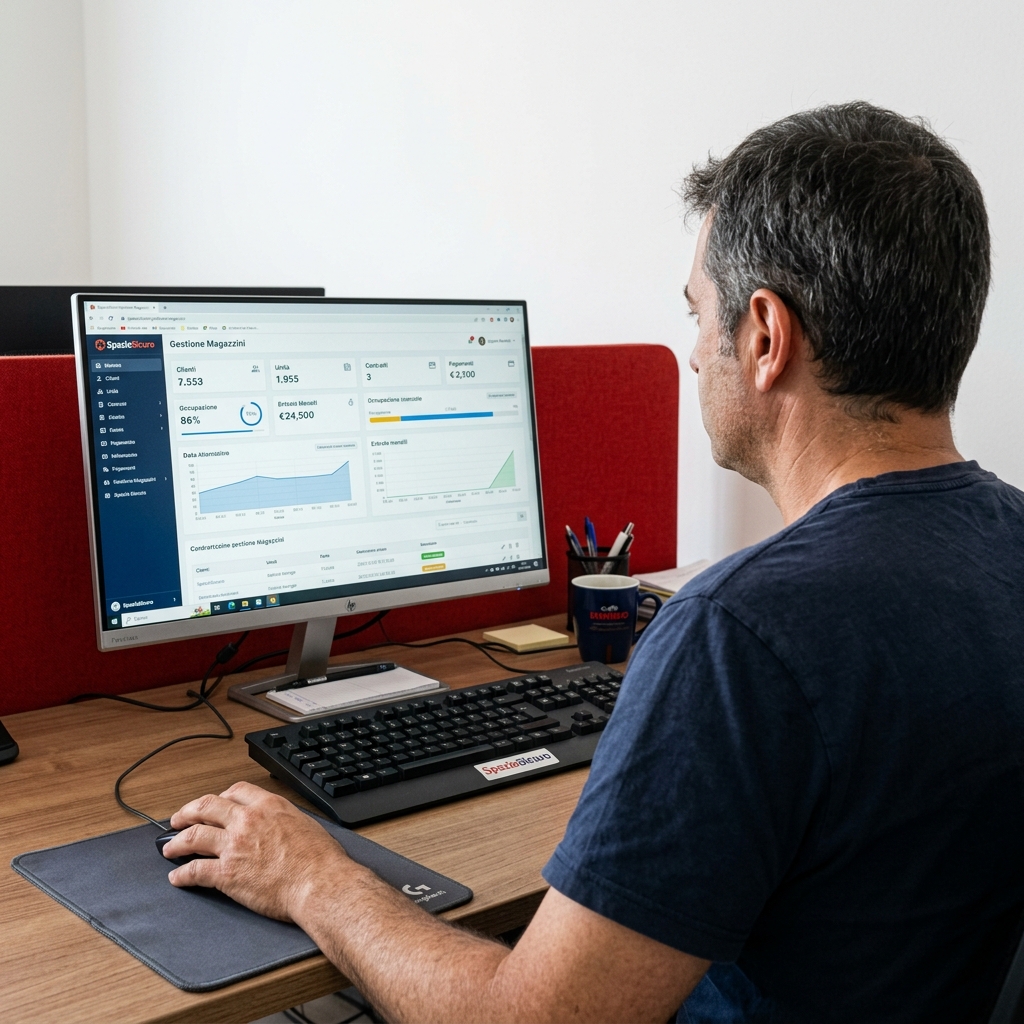
- Full Automation: Smart electronic access and ERP software minimise staffing payroll and enable 24/7 keyless access.
- Tenant Acquisition: A structured local digital marketing engine drastically compresses the timeline between initial launch and breakeven.
Prior to discussing expected yield, we evaluate the physical property and local catchment demand. If the numbers do not demonstrate viable returns, we advise a decisive No-Go.
Frequently Asked Questions
Returns depend on Net Lettable Area (NLA), mature occupancy rates, and local market rental rates. A properly designed and automated facility represents a highly resilient real estate asset class with lean operating expenses. Reliable returns require bespoke site analysis and local demand modelling.
Occupancy ramps up progressively month by month via targeted local digital marketing, catchment visibility, and word-of-mouth. Typically, full stabilisation takes between 12 to 24 months, which must be factored directly into the bank business plan.
Small storage units command significantly higher revenue per square metre, whereas larger units offer longer average lease tenures. The optimal unit mix depends entirely on local catchment demographics and enterprise vs consumer demand.
It is far more automated than traditional hospitality or residential rentals, but requires periodic oversight. Cloud access control and ERP software automate daily contracts and payments, leaving marketing, facility upkeep, and customer queries to be managed.